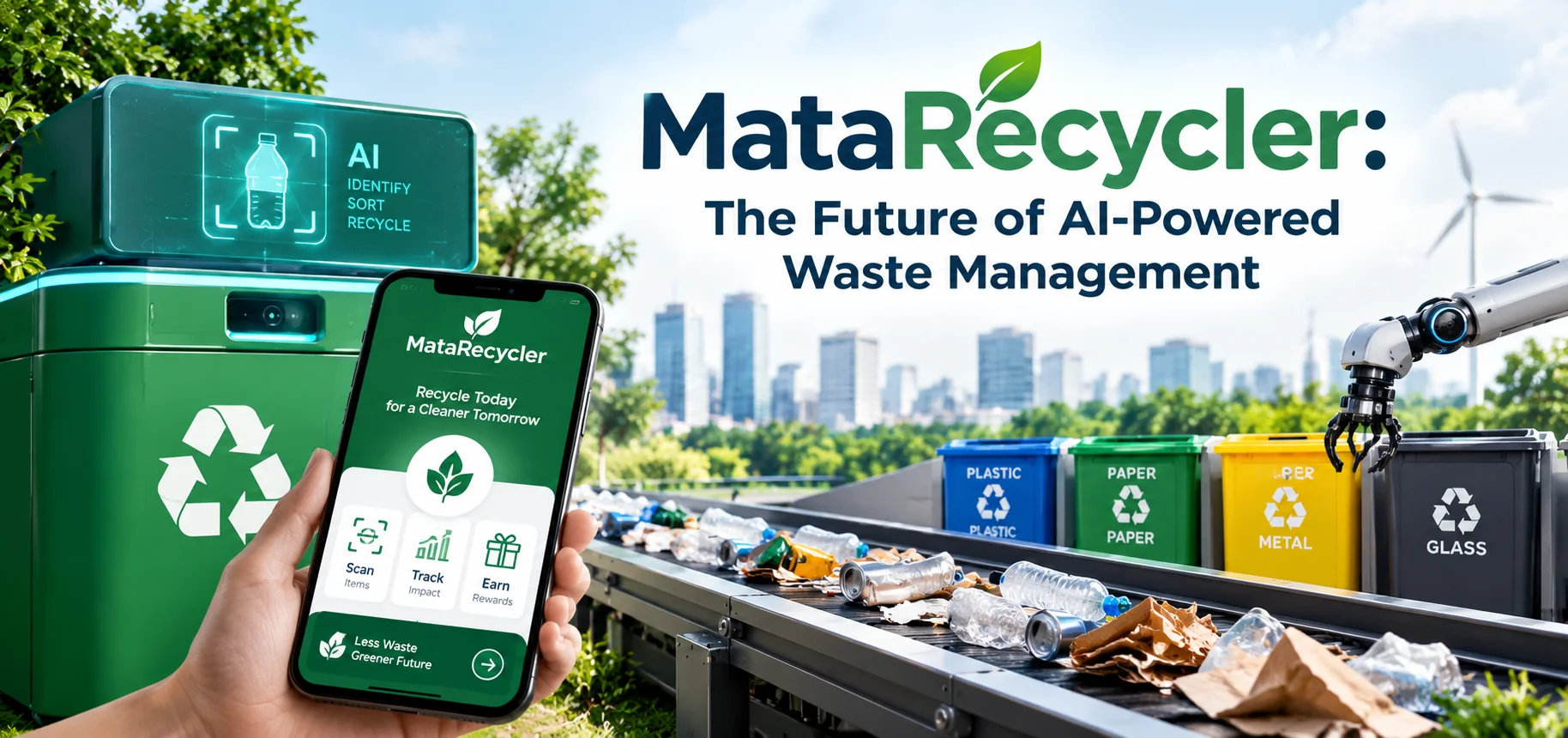
Waste management has become one of the most important environmental challenges of the modern world. Growing cities, increasing consumption, and expanding industries generate enormous amounts of waste every day. Traditional disposal methods often struggle to handle this growing pressure, making recycling less efficient and allowing valuable materials to end up in landfills. MataRecycler represents an innovative approach to addressing these challenges through artificial intelligence (AI), digital sensors, and app-based tracking designed to improve recycling accuracy and waste management.
The future of sustainable waste management depends on more than collecting rubbish and transporting it to disposal facilities. It requires smarter systems that can identify recyclable materials, monitor waste collection, reduce contamination, and help communities make responsible environmental decisions. By combining digital technology with practical recycling processes, platforms like MataRecycler reflect a broader shift toward intelligent and data-driven waste management.
MataRecycler and the Evolution of Smart Waste Management
Waste management has traditionally relied on manual sorting, scheduled collection, and established disposal systems. Although these methods remain important, they can become inefficient when waste volumes increase or recycling facilities lack the resources needed to process materials accurately.
Smart waste management introduces digital tools that help improve these operations. Artificial intelligence can analyze information, sensors can monitor waste conditions, and tracking applications can provide useful updates about collection activities.
Moving Beyond Traditional Recycling Methods
Traditional recycling often depends on people correctly separating paper, plastic, glass, metal, and general waste. When unsuitable materials enter recycling containers, contamination can reduce the quality of recyclable materials and increase processing costs.
Intelligent waste management systems aim to make this process more accurate. Depending on the technology available, automated identification tools can recognize different materials and help direct them toward appropriate processing streams.
MataRecycler fits into this broader technological movement by emphasizing AI, connected sensors, and digital tracking. These technologies can support better coordination between waste generators, collection services, and recycling operations.
Why Smart Recycling Matters Today
Population growth and urban development place increasing demands on waste collection infrastructure. Cities need dependable ways to manage residential rubbish, commercial waste, packaging, and recyclable materials without creating unnecessary environmental pressure.
Smart recycling can help organizations understand where waste originates, how quickly containers fill, and which materials require additional attention. These insights can support better planning and more informed decisions.
The ultimate goal is to transform waste management from a largely reactive process into a more proactive system that prevents avoidable waste and recovers useful resources.
How MataRecycler Uses Artificial Intelligence
Artificial intelligence is an important part of modern waste management because it can process information and identify patterns that may be difficult to recognize through manual observation alone.
However, the specific capabilities of any platform depend on its actual implementation. The following examples explain how AI can support a system built around the technologies associated with MataRecycler.
Intelligent Waste Identification
AI-powered recognition systems can analyze images or sensor information to help distinguish between different waste materials. In advanced recycling facilities, computer vision may identify plastic containers, cardboard, metals, and other recyclable items as they move along sorting equipment.
This capability can improve sorting consistency and reduce dependence on manual identification for certain tasks.
For example, a facility handling mixed packaging may use automated recognition to identify recyclable items and separate them from unsuitable materials. Human supervision remains important, particularly when materials are damaged, dirty, or difficult to classify.
More accurate identification can help recycling facilities recover valuable materials that might otherwise be discarded.
Data Analysis for Better Decisions
AI can also analyze historical collection records, waste volumes, and operational patterns. These insights may help waste management teams understand which locations generate the most waste and when collection demand is likely to increase.
Rather than relying entirely on fixed schedules, organizations can use available data to make more informed collection decisions.
For example, commercial areas may produce more packaging waste during busy periods, while residential collection patterns may change around holidays. Recognizing these differences can improve planning and resource allocation.
The Future of MataRecycler and Intelligent Waste Management
The next generation of waste management is likely to involve stronger connections between AI, sensor networks, automated sorting, and digital reporting. These developments could help communities respond to changing waste volumes and improve the recovery of recyclable materials.
Future systems may offer more accurate forecasting, better coordination between collection vehicles and containers, and clearer reporting for organizations managing large waste streams.
MataRecycler’s technology-focused approach reflects this wider movement toward smarter recycling. However, its long-term value will depend on its actual capabilities, implementation, reliability, and measurable environmental results.
The most successful solutions will combine digital innovation with practical infrastructure, responsible public behavior, and effective recycling policies. Technology should strengthen these foundations rather than replace them.
The Role of Digital Sensors and App-Based Tracking
Artificial intelligence becomes more useful when it receives reliable information from connected devices and operational systems. Digital sensors and mobile applications can help provide that information.
Smart Sensors for Waste Monitoring
Sensors installed in suitable waste containers can measure conditions such as fill levels. Depending on the equipment, they may also monitor temperature, movement, or other relevant factors.
Fill-level monitoring can help collection teams identify containers that need attention before they overflow. This can reduce unnecessary collection trips and improve the reliability of waste services.
For example, a collection team serving a commercial district could prioritize containers approaching capacity instead of visiting every location according to an inflexible schedule.
These systems require dependable sensors, connectivity, maintenance, and accurate readings. Poor installation or unreliable data can reduce their effectiveness.
Digital Tracking Through Mobile Applications
App-based tracking can make waste management information easier to access. Depending on the features provided, a platform may help users follow collection schedules, report overflowing containers, review recycling instructions, or monitor waste-related activities.
For households, clear instructions can make it easier to separate recyclable materials correctly. For businesses, digital records may support internal waste monitoring and operational reporting.
Tracking also improves visibility. When collection information is organized in one place, teams can identify missed pickups, review service performance, and respond to problems more efficiently.
Major Benefits of AI-Powered Waste Management
Intelligent recycling systems can provide environmental, operational, and financial benefits when they are designed carefully and supported by reliable infrastructure.
Improved Recycling Accuracy
Contamination is a major challenge in recycling because unsuitable materials can affect the quality of collected waste. AI-assisted sorting and clear digital guidance can help reduce mistakes.
When materials are separated correctly, recycling facilities may be better positioned to recover usable resources and reduce the amount sent to disposal sites.
Reduced Collection Inefficiency
Traditional collection routes may involve unnecessary stops at containers that are not yet full. Sensor-based monitoring can help teams prioritize locations that need collection.
Better route planning may reduce fuel consumption, vehicle use, and operating costs. The actual savings depend on collection distances, traffic conditions, fleet efficiency, and the quality of the available data.
Greater Environmental Awareness
Digital platforms can help people understand how their everyday decisions affect waste generation. Useful recycling instructions and waste tracking can encourage households and organizations to separate materials more responsibly.
Small improvements across many users can support broader environmental goals, especially when digital tools are combined with convenient recycling services.
Better Resource Recovery
Many discarded products contain materials that can be reused or processed into new products. Improving identification and sorting can help recover these resources instead of allowing them to become waste.
This approach supports a circular economy in which materials remain useful for longer, reducing dependence on newly extracted resources.
Practical Applications of MataRecycler-Style Technology
AI-powered waste management can support different industries and communities. Its usefulness depends on local infrastructure, waste composition, and the needs of each organization.
Residential Communities and Smart Cities
Residential neighborhoods generate household waste, food scraps, packaging, and recyclable materials every day. Smart monitoring can help local authorities identify collection needs and respond to overflowing containers.
Mobile applications can also provide residents with straightforward guidance about collection schedules and recycling requirements.
When municipalities combine technology with public education, they can make waste services more convenient and encourage better participation.
Commercial Businesses and Offices
Offices, shopping centers, hotels, and restaurants often produce large quantities of packaging and general waste. Monitoring these materials can help businesses identify opportunities to reduce waste and improve recycling practices.
Digital records may also help managers evaluate collection frequency and understand where waste reduction measures could be introduced.
For example, a business may discover that reusable containers or improved purchasing practices can reduce packaging waste over time.
Recycling Facilities and Industrial Operations
Recycling facilities handle materials that vary considerably in size, composition, and condition. AI-assisted sorting can help identify suitable materials and improve the consistency of certain processing tasks.
Industrial operations may also use monitoring tools to track waste generation, improve material handling, and identify opportunities to reuse production leftovers.
These applications demonstrate how intelligent waste management can support a wide range of operational needs rather than focusing only on household recycling.
Key Technologies Supporting the Future of Recycling
Several technologies work together to create more effective digital waste management systems.
| Technology | Main Function | Potential Benefit | Artificial intelligence | Analyzes information and supports material identification | Better sorting decisions | Digital sensors | Monitor container conditions and fill levels | More efficient collection | Mobile applications | Provide instructions and operational updates | Improved user participation | Data analytics | Identifies patterns in waste generation | Better planning | Connected devices | Share information between equipment and systems | Improved coordination | Automated sorting equipment | Separates suitable materials using programmed processes | Higher sorting efficiency |
|---|
These technologies are most effective when they operate as part of a coordinated system. A sensor alone cannot solve recycling problems if collection teams cannot respond to its information. Similarly, advanced sorting equipment offers limited value when recyclable materials are heavily contaminated before reaching the facility.
Five Practical Ways to Make Smart Recycling More Effective
- Separate waste correctly: Keep recyclable materials apart from general rubbish according to local recycling rules.
- Use reliable data: Review sensor readings and collection records before changing operational schedules.
- Educate communities: Provide simple instructions that help people understand what can and cannot be recycled.
- Monitor performance: Track relevant measures such as contamination rates, collection efficiency, and recovered materials.
- Reduce waste at its source: Prioritize reuse and waste prevention alongside recycling technology.
Challenges and Considerations for AI-Powered Recycling
Although intelligent waste management offers significant potential, technology alone cannot eliminate every environmental challenge.
Infrastructure and Implementation Costs
Sensors, connected devices, sorting equipment, software, and maintenance can require substantial investment. Smaller municipalities and businesses may find it difficult to adopt advanced systems without financial support.
A practical approach is to begin with specific problems, such as overflowing containers or inefficient collection routes, and expand when measurable benefits justify the investment.
Data Quality and System Reliability
AI systems depend on useful information. Inaccurate sensor readings, inconsistent records, or poorly labeled training data can lead to unreliable recommendations.
Regular maintenance, careful testing, and human oversight are essential to ensure that automated processes support sound decisions.
Public Participation and Responsible Disposal
Even sophisticated recycling systems depend on people using them correctly. Batteries, electronic waste, chemicals, and certain contaminated materials may require specialized handling.
Clear guidance and accessible collection services remain necessary to prevent unsafe disposal and improve recycling outcomes.
Measuring Environmental Impact
Organizations should evaluate whether a technology produces measurable improvements rather than assuming that automation automatically creates environmental benefits.
Useful indicators include recycling recovery rates, contamination levels, fuel consumption, collection costs, and the quantity of waste diverted from landfills.
Monitoring these measures helps organizations understand which improvements are working and where additional changes are needed.
Frequently Asked Questions
1. What is MataRecycler?
MataRecycler is described as a smart recycling and waste management platform that uses AI, digital sensors, and app-based tracking to improve recycling processes.
2. How can AI improve waste management?
AI can analyze waste-related information, assist with material identification, and help organizations make better collection and sorting decisions.
3. Can smart sensors reduce waste collection costs?
They may help reduce unnecessary collection trips by identifying containers that need attention, although results depend on local conditions.
4. Why is digital tracking important for recycling?
Digital tracking can improve visibility into collection activities, support recycling education, and help organizations monitor waste management performance.
5. What is the future of AI-powered waste management?
Future developments may include more accurate forecasting, improved automated sorting, smarter collection routes, and better coordination between connected waste management systems.
Final Thoughts
MataRecycler: The Future of AI-Powered Waste Management highlights an important direction in environmental innovation: using intelligent technology to make recycling more accurate, organized, and efficient.
AI can support material identification, sensors can improve collection planning, and digital tracking can help communities and businesses make better waste management decisions. Together, these tools may reduce avoidable waste, improve resource recovery, and support more sustainable operations.
As cities and businesses search for practical ways to manage growing waste volumes, AI-powered solutions offer a promising opportunity to improve existing systems. With responsible implementation and continued innovation, intelligent recycling can become an important part of a cleaner, more resource-efficient future.




One thought on “MataRecycler: The Future of AI-Powered Waste Management”