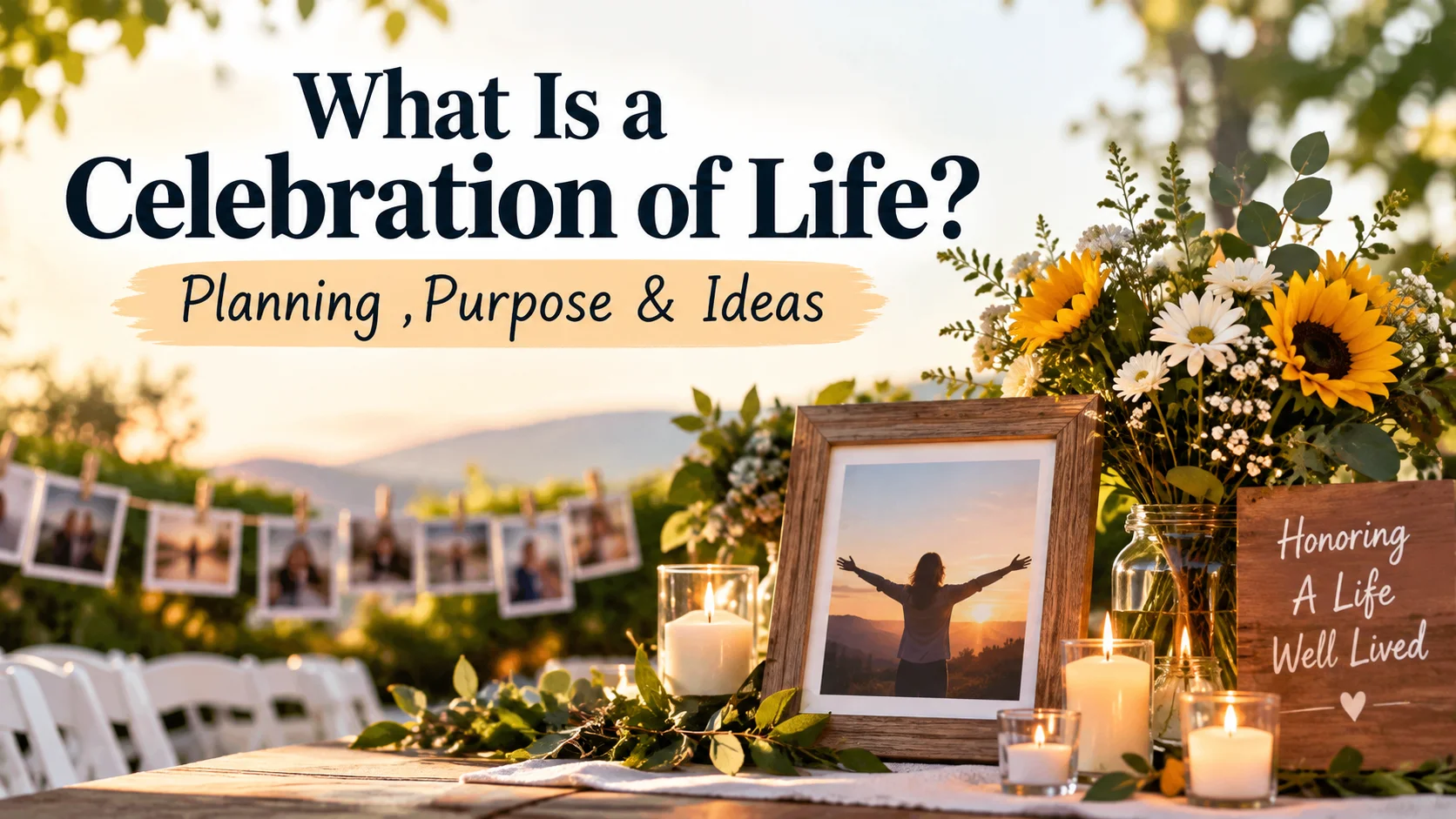
A celebration of life is a meaningful gathering held to remember and honor someone who has died by focusing on their personality, memories, relationships, achievements, and the moments that made their life special. Unlike a traditional funeral, a celebration of life can be more personal, flexible, and uplifting. Families and friends may share stories, photographs, music, favorite foods, readings, or other tributes that reflect the person’s unique journey.
What Is a Celebration of Life?
A celebration of life is an event designed to honor a deceased person through remembrance and shared experiences. The central purpose is to create a space where people can acknowledge their loss while also reflecting on the positive influence that person had on their family, friends, community, or profession.
Instead of concentrating primarily on traditional funeral customs, the event may highlight personal memories and meaningful experiences. Guests might talk about funny moments, important accomplishments, favorite hobbies, family traditions, or lessons they learned from the person.
How It Differs From a Traditional Funeral
A traditional funeral often follows established religious, cultural, or ceremonial practices. A celebration of life generally offers more freedom.
For example, families may choose:
- A garden, community hall, home, restaurant, or outdoor location
- Casual or formal clothing
- Personal music instead of traditional funeral songs
- A photo display or memory table
- Speeches and storytelling
- Favorite meals, desserts, or refreshments
These choices allow the gathering to feel authentic rather than following a fixed structure.
The Purpose of a Celebration of Life
The purpose goes beyond organizing an event. It creates an opportunity for people to gather, remember, and support one another.
Honoring a Unique Life
Every person has a different story. A celebration can recognize their character, passions, accomplishments, relationships, and contributions. Personal details can make the gathering especially meaningful.
Supporting Family and Friends
Grief can feel isolating. Bringing loved ones together creates a supportive environment where people can share memories and emotions. Sometimes simply hearing another person’s story can bring comfort during a difficult period.
Creating Lasting Memories
A carefully planned gathering can become an important part of the grieving process. Photographs, written memories, recordings, and keepsakes can preserve stories for future generations.
How to Plan a Celebration of Life
Planning does not need to be complicated. The most important goal is to create an occasion that reflects the person being remembered.
Choose the Right Setting
Start by considering where the gathering would feel appropriate. A family home can provide warmth and familiarity, while a park or garden may suit someone who loved nature. A community venue may be practical for a larger group.
Consider the number of guests, accessibility, weather, privacy, and available facilities before choosing a location.
Decide on the Format
The format can be simple or structured. Some families prefer a short gathering with a few speakers, while others organize a longer event with food, music, photographs, and activities.
A simple structure could include:
- Welcome and introduction
- Moment of reflection
- Personal stories
- Music or reading
- Photo or video tribute
- Closing remarks
- Food and informal conversation
There is no requirement to follow this exact order.
Invite Meaningful Speakers
Choose people who knew the individual well. A family member might share a personal story, while a close friend could describe an unforgettable experience.
Speeches do not need to be perfect. Genuine memories often have greater emotional impact than carefully prepared words.
Celebration of Life Ideas
There are countless ways to make the gathering personal. The best idea is usually one connected to the person’s interests, values, or memories.
Memory Tables and Photo Displays
Create a table containing photographs, letters, awards, artwork, books, travel souvenirs, or other meaningful objects. Guests can look through these items and share their own memories.
Music and Readings
Music can bring powerful memories to the surface. Consider songs the person enjoyed or music connected with an important period in their life. Poems, favorite passages, or personal writings can also add a thoughtful element.
Memory Cards
Place cards at each table and invite guests to write a favorite memory, message, or lesson they received from the person. These notes can later be collected into a memory book.
Favorite Food
Food can provide a comforting and familiar connection. Serving a favorite meal, dessert, or family recipe can transform an ordinary gathering into a deeply personal tribute.
Meaningful Activities
Depending on the person’s interests, families might organize a small activity such as planting a tree, displaying artwork, playing a favorite board game, or creating a charitable donation project.
Celebration of Life Planning Checklist
| Planning Area | Helpful Consideration |
|---|---|
| Venue | Choose a comfortable and accessible location |
| Guests | Invite people who had a meaningful connection |
| Program | Keep speeches, music, and tributes organized |
| Memories | Prepare photos, videos, letters, or keepsakes |
| Food | Consider favorite dishes and refreshments |
| Personal Touches | Include hobbies, interests, traditions, or achievements |
A simple checklist can reduce stress and help families focus on the meaning of the occasion rather than becoming overwhelmed by small decisions.
Making the Gathering Personal
Personalization is often the most powerful part of a celebration. Think about what made the person recognizable to those who loved them.
You could include:
- A slideshow showing different stages of their life
- A display of meaningful belongings
- A guestbook filled with personal messages
- A playlist featuring favorite songs
- Stories from childhood, work, travel, or family life
Even a small detail can make the event feel genuine and memorable.
Emotional Considerations
Grief does not follow a predictable schedule. Some guests may cry, while others may laugh when remembering something funny. Both reactions can be natural parts of remembering someone.
A celebration of life should not pressure people to appear happy. The word “celebration” does not mean that sadness should be ignored. Instead, it can represent gratitude for the life that was shared and the memories that remain.
Giving guests freedom to participate—or simply listen—can make the gathering more comfortable for everyone.
Frequently Asked Questions
Is a celebration of life the same as a funeral?
No. A celebration of life is generally more flexible and personalized, although it can include some traditional funeral elements.
When is a celebration of life held?
It may take place shortly after death or weeks or months later, depending on the family’s circumstances and preferences.
Does a celebration of life have to be religious?
No. It can be religious, spiritual, secular, or completely personalized.
What should guests wear?
Clothing can depend on the family’s wishes and the setting. Some gatherings are formal, while others encourage comfortable or colorful clothing.
Can children attend a celebration of life?
Yes. Families can decide based on the child’s age, relationship with the deceased, and the nature of the gathering.
Final Thoughts
Understanding What Is a Celebration of Life? starts with recognizing that there is no single correct way to remember someone. The most meaningful gathering is one that reflects the person’s story, relationships, passions, and values.
Whether it includes heartfelt speeches, favorite music, photographs, food, personal stories, or quiet reflection, the goal is to create a meaningful space for remembrance. With thoughtful planning and genuine personal touches, a celebration of life can become a powerful tribute that honors the past while bringing loved ones together.





One thought on “What Is a Celebration of Life? Planning ,Purpose & Ideas”