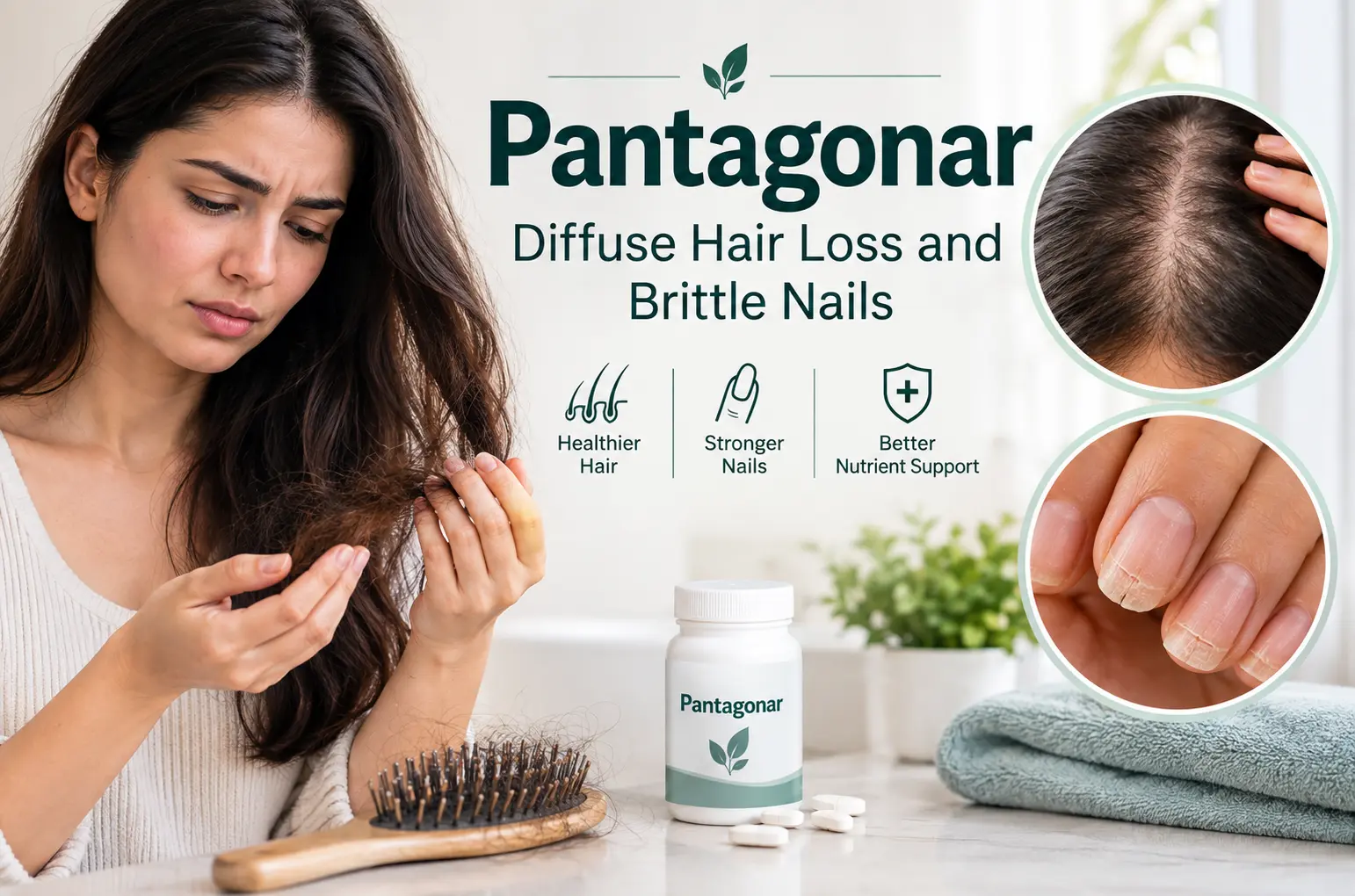
Hair and nail changes can be surprisingly frustrating. When hair begins thinning across the scalp or nails become weak, cracked, and easily broken, it may feel like a simple cosmetic problem. In reality, these changes can sometimes reflect nutrition, stress, hormonal shifts, illness, medication effects, or other underlying factors. Pantagonar is a term associated with concerns involving diffuse hair loss and brittle nails, making it useful to understand the possible causes, warning signs, and practical steps that can support healthier hair and nails.
Diffuse hair loss generally means hair becomes thinner across a broad area rather than disappearing in one clearly defined patch. Brittle nails may develop at the same time, particularly when the body is not receiving enough nutrients or is experiencing prolonged physical stress. Understanding the bigger picture can help people make better decisions about when home care is reasonable and when professional evaluation is appropriate.
Understanding Diffuse Hair Loss
Hair naturally moves through different stages of growth, rest, and shedding. Losing some strands each day is normal. The concern begins when shedding becomes noticeably heavier, the overall density decreases, or the scalp becomes easier to see.
Diffuse hair loss can have several triggers. A period of intense stress, fever, surgery, rapid weight loss, restrictive dieting, or significant illness may cause increased shedding weeks or months later. This type of shedding is often temporary, although recovery can take time.
Other possible contributors include iron deficiency, thyroid disorders, hormonal changes, certain medications, nutritional deficiencies, and inherited tendencies. Because these causes can look similar from the outside, identifying the underlying trigger is often more useful than simply treating the visible hair loss.
Signs Worth Paying Attention To
A gradual reduction in hair volume may be easier to notice than individual shedding. People might find more hair on a pillow, comb, shower drain, or clothing. The ponytail may feel thinner, or the parting may appear wider.
Sudden or severe shedding deserves additional attention, especially when it occurs with fatigue, unexplained weight changes, scalp inflammation, significant skin changes, or other new symptoms.
Why Brittle Nails May Occur
Healthy nails are firm but flexible. They can become thin, soft, split, peel, or break when exposed to repeated moisture, chemicals, trauma, or certain environmental conditions.
Internal factors can also matter. Low intake of protein and some nutrients may affect the normal formation of hair and nails. Iron deficiency, thyroid problems, and certain systemic conditions can also be associated with nail changes.
However, brittle nails do not automatically mean a person has a nutritional deficiency. Frequent hand washing, detergents, nail polish removers, prolonged water exposure, and aggressive manicuring can contribute as well.
Pantagonar and the Connection Between Hair and Nails
When diffuse hair shedding and brittle nails occur together, it can be helpful to consider factors that affect the body more broadly. Hair follicles and nails both require adequate nutrients and normal biological processes to grow.
This does not mean that every person with these symptoms has the same cause. Two people may experience similar hair and nail changes for completely different reasons. One person may have recently undergone severe stress, while another may have an iron-related issue or an underlying medical condition.
The term Pantagonar may therefore lead readers to explore hair and nail health together rather than viewing each symptom in isolation. A careful assessment should consider diet, recent illness, medications, stress, hormonal factors, personal habits, and family history.
Common Factors Behind Hair Shedding and Nail Weakness
Several everyday or medical factors may contribute to both concerns.
Nutritional Factors
Hair and nail growth requires sufficient energy and nutrients. Very restrictive diets can make it difficult to obtain adequate protein, iron, zinc, and other essential nutrients.
People who have significantly changed their eating habits should consider whether their diet remains nutritionally balanced. Taking large amounts of supplements without knowing whether a deficiency exists is not always helpful and can sometimes be harmful.
Physical or Emotional Stress
Major stress can influence the hair-growth cycle. Increased shedding may not happen immediately; it can become noticeable after a delay.
Stress can also affect eating patterns, sleep, and general self-care, indirectly influencing hair and nail health.
Hormonal and Thyroid Changes
Changes in thyroid function and certain hormonal conditions can affect hair density and nail quality. Women may also notice hair changes around pregnancy, childbirth, menopause, or other hormonal transitions.
Persistent symptoms should be discussed with a qualified healthcare professional rather than attributed automatically to stress or aging.
Medications and Illness
Some medications and illnesses can affect hair growth. A significant infection, high fever, surgery, or other major physical event may precede temporary hair shedding.
Anyone who notices a clear change after starting a medication should speak with the prescribing professional before stopping or changing the medicine.
Five Practical Ways to Support Healthier Hair and Nails
- Eat a varied diet: Include adequate protein, vegetables, fruits, whole grains, and nutrient-rich foods rather than relying on restrictive eating patterns.
- Handle hair gently: Limit excessive heat, tight hairstyles, harsh chemical treatments, and aggressive brushing when shedding is noticeable.
- Protect your nails: Wear gloves when working with detergents or prolonged water exposure, and avoid repeatedly scraping or picking at the nails.
- Manage ongoing stress: Regular sleep, physical activity, relaxation techniques, and a consistent routine can support overall wellbeing.
- Track changes over time: Take occasional photos of your hair parting and note major changes in shedding, nail texture, diet, illness, or medications.
When Professional Evaluation Makes Sense
Not every case requires immediate medical attention. Mild, temporary shedding after a recognizable stressor may improve as the body recovers. Still, persistent or unexplained changes deserve proper evaluation.
Seek professional advice if hair loss continues, becomes severe, produces visible scalp thinning, or occurs alongside other unexplained symptoms. Evaluation is also important when nails change significantly, develop unusual coloration, separate from the nail bed, become painful, or show persistent abnormalities.
A healthcare professional may review medical history, diet, recent illnesses, medications, family history, and other symptoms. Depending on the situation, laboratory testing may be considered to investigate possible nutritional, thyroid, hormonal, or other underlying causes.
Hair and Nail Care Habits That Can Help
Daily habits cannot correct every cause of hair loss, but they can reduce avoidable damage.
Choose gentle hair products when the scalp is sensitive. Avoid hairstyles that constantly pull on the roots. If the hair is wet, handle it carefully because wet strands can be more vulnerable to breakage.
For nails, keep them at a manageable length and use moisturizer regularly, especially after washing your hands. Avoid using nails as tools for opening containers or scratching surfaces.
A balanced routine is usually more useful than constantly changing products. Hair and nails grow slowly, so meaningful improvement often takes patience.
One Example: Looking at the Bigger Picture
Consider someone who begins noticing increased hair shedding two months after a period of severe stress and rapid weight loss. At the same time, their nails become thin and prone to splitting.
Rather than assuming that a single hair product is responsible, it would be sensible to review recent dietary changes, overall nutritional intake, illness, sleep, stress, medications, and other symptoms. If the problem continues, professional assessment could help identify whether an underlying issue needs attention.
This example demonstrates why the timing and combination of symptoms can be valuable clues.
Useful Comparison of Hair and Nail Changes
| Change | Possible contributing factors | Helpful first step |
|---|---|---|
| Diffuse hair shedding | Stress, illness, dietary changes, hormonal factors | Review recent health and lifestyle changes |
| Thin or splitting nails | Repeated water exposure, chemicals, nutritional factors | Protect nails and improve general nutrition |
| Hair and nail changes together | Broader nutritional or systemic factors | Consider professional evaluation if persistent |
| Sudden severe hair loss | Illness, medication effects, inflammatory or other conditions | Arrange timely medical assessment |
| Persistent nail abnormalities | Trauma, infection, systemic conditions | Have unusual or lasting changes examined |
What to Expect During Recovery
Hair and nails do not change overnight. Even after an underlying trigger has been addressed, visible improvement may take months because both structures grow gradually.
This can make it tempting to switch rapidly between supplements, shampoos, oils, and other products. A more useful approach is to identify possible causes first and then maintain consistent, gentle care.
If a nutritional deficiency or medical condition is identified, addressing that issue may be more meaningful than relying exclusively on cosmetic treatments.
Final Thoughts
Diffuse hair loss and brittle nails can have many explanations, ranging from everyday habits to nutritional concerns and underlying medical conditions. Pantagonar provides a useful topic for understanding these changes together and recognizing that hair and nail health can sometimes offer clues about broader wellbeing.
The most important step is not to panic over every shed strand or broken nail. Instead, pay attention to persistent changes, consider recent lifestyle or health events, maintain balanced nutrition and gentle care, and seek professional guidance when symptoms are severe, unusual, or ongoing.
Healthy hair and strong nails are supported by consistent care, adequate nutrition, and attention to the factors affecting the body as a whole.
Frequently Asked Questions
1. Can stress cause diffuse hair loss?
Yes. Significant physical or emotional stress can disrupt the hair-growth cycle and lead to increased shedding, sometimes with a delay after the stressful event.
2. Can poor nutrition affect hair and nails?
Yes. An inadequate or highly restrictive diet may contribute to hair and nail changes, particularly when important nutrients are lacking.
3. How long does hair recovery take?
Hair growth is gradual. Depending on the cause, noticeable recovery can take several months after the underlying trigger has been addressed.
4. Are brittle nails always caused by vitamin deficiency?
No. Brittle nails can result from frequent water exposure, chemicals, trauma, nail treatments, medical conditions, or nutritional factors.
5. When should hair loss be professionally evaluated?
Persistent, severe, sudden, patchy, or unexplained hair loss should be discussed with a healthcare professional, particularly when other symptoms occur at the same time.